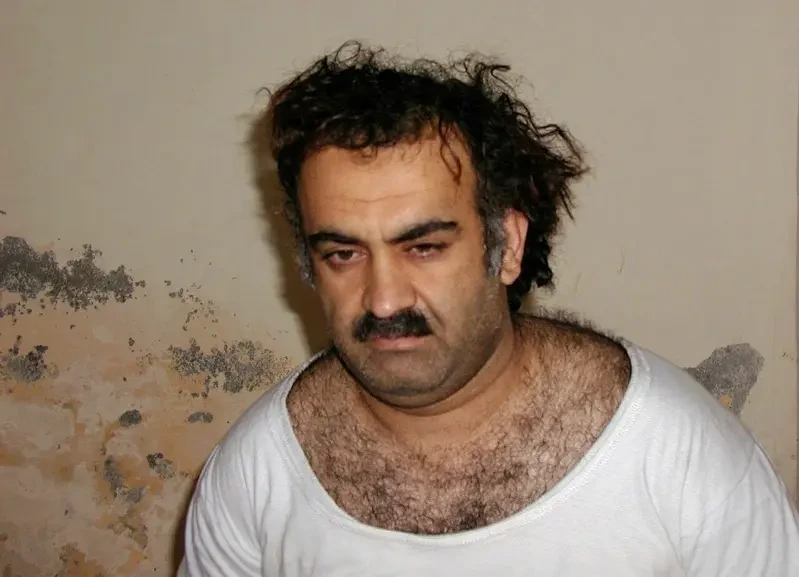
In 2024, Khalid Sheikh Mohammed—the primary suspect in the 9/11 terrorist attacks—and his co-defendants reached a plea agreement with prosecutors that would have spared them the death penalty. However, just days later, Secretary of Defense Lloyd Austin rescinded the deal. Mohammed and two other defendants appealed the decision; the U.S. Court of Appeals for the D.C. Circuit ruled in favor of Austin, and the defendants subsequently took their case to the Supreme Court. On the 19th, the Supreme Court issued a ruling upholding the Pentagon’s authority to revoke the plea agreements of the 9/11 co-conspirators.
Conservative Justice Brett Kavanaugh, who served as Deputy White House Counsel during the administration of former President George W. Bush, recused himself from the case. The Supreme Court’s ruling on the 19th did not provide a specific reason for the rejection of the defendants’ appeal.
The plea agreement, which would have allowed the 9/11 masterminds—including Mohammed—to avoid the death penalty, had sparked intense backlash from the families of the 9/11 victims.
Secretary Austin rescinded the agreements on the grounds that such a significant decision should be made by the Secretary of Defense. The incoming second administration of Donald Trump has continued to defend Austin’s position.
The Supreme Court’s decision leaves in place a 2025 ruling by the federal appeals court, which held that Austin had the “indisputable” authority to cancel the defendants’ plea agreements. The case will now return to a military tribunal, with proceedings currently scheduled to begin on June 5, 2028.
In their appeal to the Supreme Court, Khalid Sheikh Mohammed, along with co-defendants Mustafa al-Hawsawi and Walid bin Attash, argued that the federal appeals court had overstepped its authority by siding with the government. The court proceedings for defendants such as Khalid Sheikh Mohammed have been delayed for years, as successive administrations have grappled with issues surrounding allegations that the CIA tortured detainees in its prisons—and whether testimony obtained through such torture is admissible in court.
Leave a Reply